
Introduction: The Role of Technology in the Climate Battle
In 2025, the fight against climate change is no longer a distant idea but a rapidly evolving reality, thanks to the innovative power of technology. While the effects of climate change have never been more apparent, with extreme weather events, rising sea levels, and wildfires making headlines daily, the tech world has been quietly working behind the scenes to address these pressing issues. From renewable energy breakthroughs to artificial intelligence (AI) applications in environmental conservation, technology is leading the charge. But how exactly is it making a difference?
1. Clean Energy Tech: Powering a Greener Future
Clean energy has been a critical focus for decades, but 2025 marks a pivotal year in making these technologies both affordable and scalable. Solar and wind energy have long been at the forefront, but new developments are pushing the boundaries. Solar panels, for instance, have become more efficient due to advancements in materials science. The rise of perovskite solar cells, a cheaper and more efficient alternative to traditional silicon, has enabled solar energy to power more homes and businesses than ever before.
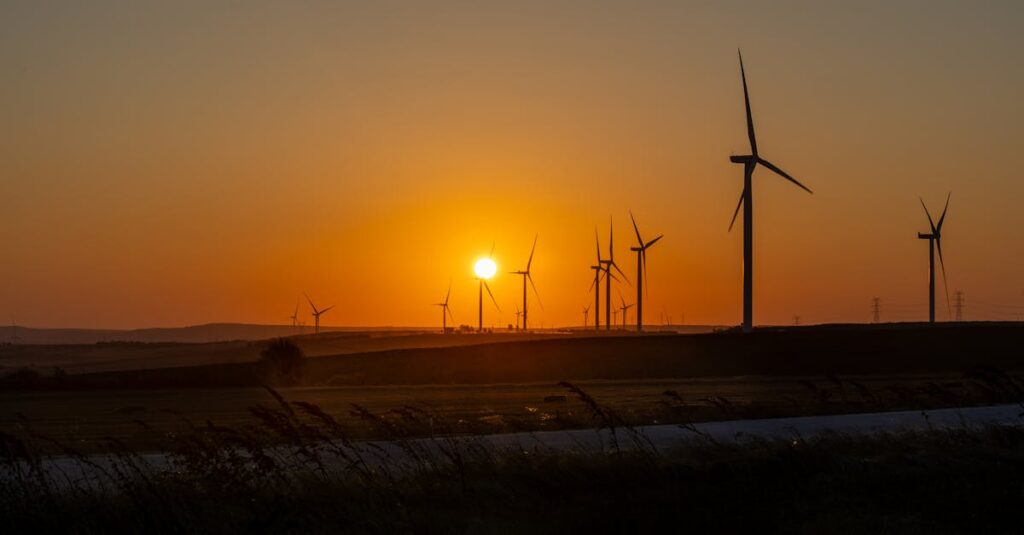
Similarly, the wind industry is experiencing a major boost. Offshore wind farms, in particular, are set to generate massive amounts of energy. These turbines can be placed in deeper waters, harnessing stronger and more consistent winds. One notable example is the Hywind Tampen project off the coast of Norway, the world’s first floating wind farm designed to produce green hydrogen, another exciting innovation in clean energy.
As these technologies continue to evolve, the hope is that by 2025, global dependence on fossil fuels will begin to decline significantly, replaced by energy sources that don’t damage the planet.
2. Artificial Intelligence: A Smart Approach to Climate Solutions
AI isn’t just transforming the way we interact with the digital world; it’s also revolutionizing the way we manage the environment. One of the most significant ways AI is helping to fight climate change is through its ability to optimize energy use in real-time. Companies are using AI to analyze energy consumption patterns in buildings, factories, and even entire cities, identifying ways to cut waste and improve efficiency. This results in significant reductions in carbon emissions.
Additionally, AI is being used to monitor deforestation, track wildlife populations, and predict weather patterns, giving us more precise data to make informed decisions about conservation efforts. One example is Google’s AI-powered tools for predicting forest fires, which help authorities take preventative actions before disaster strikes.
Another breakthrough is the use of AI in carbon capture technology. AI models are now being used to improve the process of removing carbon dioxide from the atmosphere and storing it safely. These efforts are not only helping mitigate the impact of current emissions but are also paving the way for large-scale, sustainable solutions.
3. Electric Vehicles: Driving Change on the Road
Electric vehicles (EVs) are no longer a novelty, they are becoming the standard. By 2025, the push to replace gasoline-powered cars with electric alternatives is expected to be in full swing. Advances in battery technology, such as solid-state batteries, are increasing the range and efficiency of EVs, making them more practical for everyday use.
Governments and cities around the world are also investing heavily in EV infrastructure, such as charging stations, making it easier for people to transition away from fossil fuel-powered vehicles. In some countries, EVs already make up a significant portion of new car sales, with manufacturers like Tesla, Rivian, and traditional automakers ramping up production.
The environmental benefits of EVs are clear, they produce zero tailpipe emissions, reducing pollution in urban areas and contributing to cleaner air. But the real game-changer comes when we consider the broader implications: with the growing network of renewable energy sources like solar and wind, EVs will increasingly be powered by clean energy, further reducing their carbon footprint.
4. Sustainable Agriculture: Tech’s Impact on the Food Industry
The agriculture sector is one of the biggest contributors to greenhouse gas emissions, with practices such as livestock farming, deforestation for crops, and the use of chemical fertilizers. But technology is changing the way we grow food, making agriculture more sustainable.
Vertical farming, for example, has become a viable solution in urban areas. By growing crops in stacked layers using hydroponics or aeroponics, these farms require less land, water, and pesticides. In 2025, vertical farms are helping to produce fresh, local food with a fraction of the environmental impact of traditional farming methods.
Additionally, new AI-driven systems are being used to optimize irrigation and fertilizer application, reducing waste and environmental damage. Some farmers are even using precision agriculture tools, such as drones and sensors, to monitor soil health and crop conditions in real-time, enabling them to make data-driven decisions that minimize environmental impact.
5. Climate Tech Startups: Innovation at the Edge
While major corporations and governments are playing a significant role in climate tech, a wave of startups is pushing the envelope even further. These companies are experimenting with cutting-edge solutions to carbon emissions, waste management, and clean energy. For instance, a startup called Carbon Clean is developing a new carbon capture technology that could remove up to 30% more CO2 than traditional methods. Other startups are exploring everything from turning plastic waste into reusable materials to creating biofuels from algae.
What’s exciting about these companies is their ability to pivot quickly, innovate on a small scale, and bring new technologies to market faster than large enterprises can. By 2025, many of these startups will likely play a crucial role in addressing climate change, providing flexible, scalable solutions that complement larger efforts.
Conclusion: A Hopeful Future with Tech
As we look toward the future, it’s clear that technology is playing an increasingly important role in the fight against climate change. From renewable energy breakthroughs to AI-powered solutions, we are seeing real progress. While challenges remain, the innovations of 2025 offer hope for a greener, more sustainable world. But the work isn’t over yet, each of us has a part to play in supporting these technologies and advocating for policy changes that accelerate their adoption. The question is, what will we do next to make sure these advancements reach their full potential?
Take Action: Want to make a difference today? Start by exploring renewable energy options for your home or business, supporting electric vehicle adoption, and staying informed about climate tech solutions. Together, we can harness the power of technology to combat climate change and create a better future for all.