
Introduction
Picture this: you’re sitting in your car, waiting at a stoplight. You glance to your left and see a sleek, silent electric vehicle gliding by. A few seconds later, a car with a low hum and a faint whoosh passes you, could it be hydrogen-powered? Then there’s the good ol’ hybrid, quietly cruising by, offering the best of both worlds. The future of transportation is changing fast, and it’s becoming more than just a debate between electric, hydrogen, and hybrid vehicles. It’s about what will become the mainstream choice for drivers in the years to come. But which technology will truly take the lead? Let’s explore these futuristic rides and their potential to dominate our roads.
Electric Cars: The Quiet Revolution
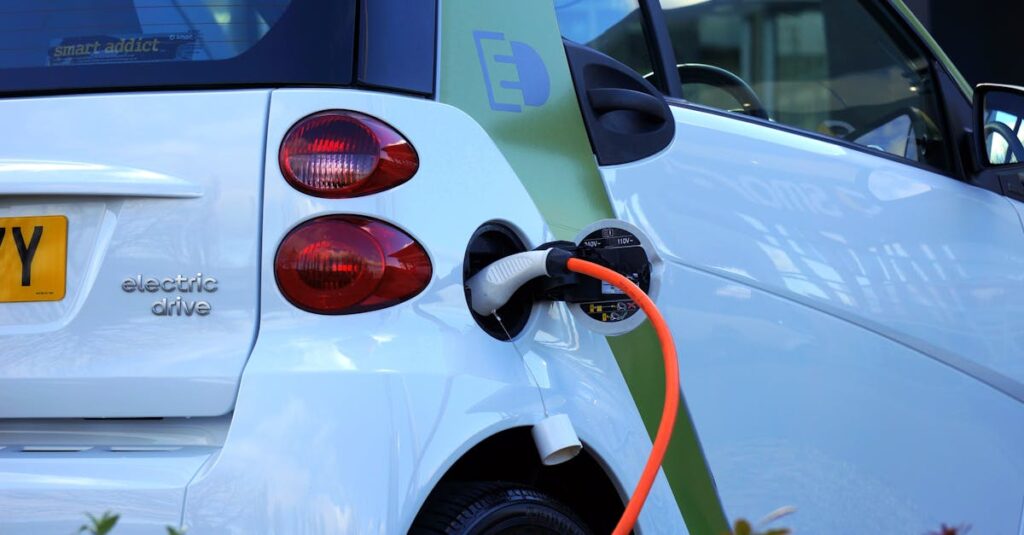
Electric vehicles (EVs) have already started their march to the forefront of the automotive world. With Tesla leading the charge, it’s easy to see why electric cars have garnered so much attention. They’re sleek, silent, and they don’t pollute the air, at least not directly. But let’s take a closer look at why EVs are causing such a stir.
What Makes EVs So Popular?
For many, electric cars are a breath of fresh air, literally. Zero tailpipe emissions mean cleaner air in cities, which is a huge benefit. Plus, charging an EV at home is as simple as plugging in your phone. No more trips to the gas station, no more worrying about rising gas prices. It’s all about convenience.
But beyond the environmental benefits, EVs are fast becoming the car of choice for tech enthusiasts. Cars like the Tesla Model S or the Rivian R1T prove that you don’t have to sacrifice performance for sustainability. Electric motors provide instant torque, which means acceleration that will leave you grinning like a kid on a roller coaster.
The Challenges of EVs
Despite the cool factor, electric cars aren’t without their challenges. The most glaring one is range anxiety, the fear of running out of juice before you can get to a charging station. While charging infrastructure is improving, it still doesn’t quite match the convenience of a gas station. And when you do find a charger, it’s not always the fastest option. Charging an EV can take anywhere from 30 minutes to several hours, depending on the charger you’re using.
Additionally, the battery itself is a significant factor in an EV’s price. Batteries are expensive, and the more range you want, the more you’re going to pay. The good news is that battery technology is improving, and we can expect both longer ranges and cheaper prices in the future.
Hydrogen Cars: The Promise of the Future?
Hydrogen cars often get overshadowed by electric vehicles, but they’re slowly making their presence felt, especially in markets like Japan and California. So, what’s the deal with hydrogen-powered vehicles? Can they give electric cars a run for their money?
How Hydrogen Cars Work
Hydrogen vehicles work by using a fuel cell that combines hydrogen with oxygen to generate electricity. This electricity powers the vehicle’s motor, producing only water vapor as a byproduct. Sounds pretty sweet, right? No emissions, and potentially a longer driving range than most electric vehicles. Plus, hydrogen can be refueled in just a few minutes, much like filling up at a gas station.
The Pros of Hydrogen
For starters, refueling hydrogen cars is a breeze. The refueling time is measured in minutes, not hours, making it much more convenient for long trips. Hydrogen cars also tend to have a longer range than EVs, with some models offering 300–400 miles per tank. If you’re someone who does a lot of highway driving or lives in an area where charging infrastructure is lacking, hydrogen could be a great option.
The Challenges of Hydrogen
Unfortunately, hydrogen cars still face some pretty significant hurdles. The biggest challenge is infrastructure, there just aren’t enough hydrogen refueling stations, especially outside of a few key regions. Without widespread refueling access, hydrogen cars are limited to areas where these stations exist. Also, producing hydrogen fuel is energy-intensive, and much of it still relies on fossil fuels, which somewhat undermines its green credentials.
Another issue is the high cost of fuel cell technology. While the technology itself is promising, it’s still expensive to manufacture. This translates to higher vehicle prices, which means hydrogen cars are less accessible to the average consumer.
Hybrid Cars: The Best of Both Worlds?
If you’re not sure about going full electric or hydrogen, hybrid cars might feel like a perfect compromise. Hybrids combine a traditional gasoline engine with an electric motor, offering both power and fuel efficiency.
Why Hybrids Might Be the Smart Choice
For those who want to dip their toes into the world of eco-friendly cars without completely committing to an electric vehicle, hybrids are an excellent choice. You get better fuel efficiency than traditional gas-powered cars, and in some cases, you don’t even need to plug it in. The electric motor helps reduce fuel consumption, which translates into fewer trips to the gas station. And because hybrids use both gas and electricity, they aren’t limited by range like electric cars are.
Hybrids are also more convenient for people who live in areas where charging stations are scarce or for those who need to drive long distances regularly. There’s no need to worry about running out of battery or looking for a charging station on a road trip, just fill up the gas tank like you would with any other car.
The Downside of Hybrids
While hybrids offer a nice balance, they’re not without their drawbacks. First, you’re still burning gasoline, so the emissions aren’t zero. While they’re more efficient than traditional cars, they’re not as green as EVs or hydrogen vehicles. Also, hybrid systems can be expensive to maintain, especially when it comes to the battery and electric motor. Over time, the fuel efficiency benefits might not offset the higher initial cost and maintenance fees.
Conclusion: What’s the Best Choice for the Future?
So, where does that leave us? Which technology will dominate the roads in the future: electric, hydrogen, or hybrid? The answer isn’t quite as simple as picking a winner, it depends on what you value most as a driver.
If you’re all about reducing your carbon footprint, electric cars are leading the way. They offer the cleanest, most sustainable option for personal transportation, with the added bonus of zero emissions. As the charging infrastructure grows and battery technology improves, range anxiety will become less of a problem.
Hydrogen cars, on the other hand, could be a game-changer if refueling stations become more widespread. The long range and quick refueling time are huge advantages for certain types of drivers, especially those in areas with limited charging infrastructure.
Finally, hybrid cars are still a solid option for those who want to keep things simple without giving up the convenience of a traditional gas-powered car. They might not be the most cutting-edge technology, but they strike a decent balance between fuel efficiency and range.
Ultimately, the future of cars might not come down to one clear winner. We could end up seeing a world where all three technologies coexist, each serving different needs and preferences. So, whether you’re an eco-conscious driver or someone looking for practicality, there’s a vehicle for everyone on the horizon.