
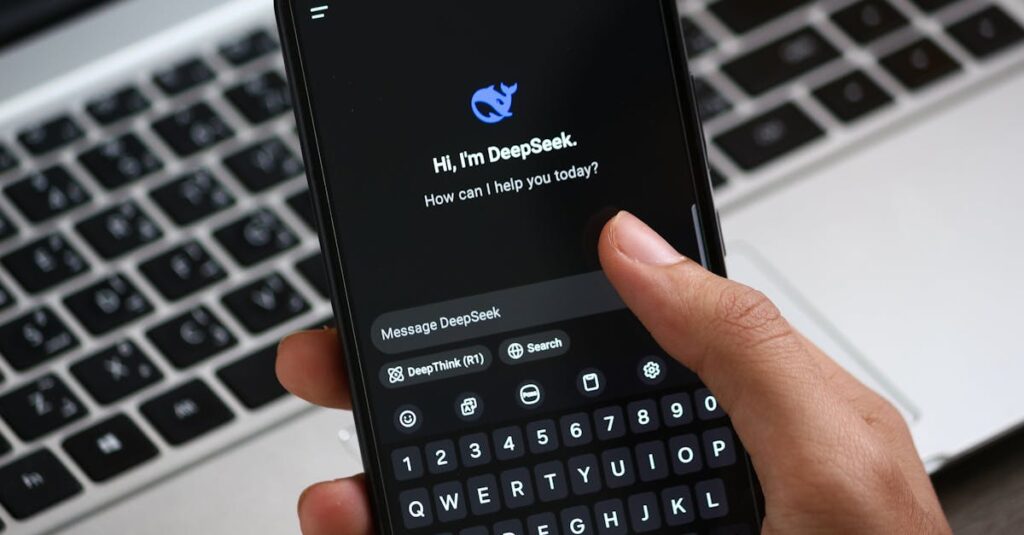
Introduction: The AI Revolution in Social Media
From facial recognition to chatbots, artificial intelligence (AI) has already crept into our everyday lives in ways we often don’t notice. But its impact on social media platforms is far from subtle. AI is not just making social media smarter; it’s making it transformative. If you’ve ever marveled at how Instagram knows exactly what ads to serve you, or how TikTok seems to always know your mood, you’ve already experienced the power of AI in action. The question now is: How far can AI go in reshaping the way we engage with each other and consume content online?
As social media continues to evolve, one thing is clear, AI is here to stay, and it’s poised to change everything we know about how we interact online.
1. Personalized Content: Tailoring Social Media to Your Every Need
When was the last time you stumbled upon something on Facebook or Twitter that you didn’t already find interesting? It’s rare, isn’t it? AI algorithms now have an incredible ability to predict your interests, desires, and even your state of mind. Social media platforms rely heavily on AI to serve personalized content to users. Instagram, for example, uses machine learning to track your engagement habits, likes, shares, comments, even how long you linger on a post. The result? A feed designed to keep you scrolling for hours.
This isn’t limited to just content curation. AI is also reshaping the advertising world. Ads you see on Facebook or YouTube are no longer random. Instead, AI targets them based on data that’s tailored to you. It takes into account your browsing history, location, and social interactions to create the most compelling ads for your interests. And brands are taking notice. They’re using AI-driven tools to improve the efficiency of their campaigns, predicting what you’ll click before you even know it.
The Science Behind AI-Powered Feeds
Ever wondered how TikTok seems to *get* you? The app uses AI to analyze your interaction history, how often you watch a video to completion, what types of content you skip, and even the comments you leave. This data feeds into a deep learning model that constantly updates your feed in real-time. It’s almost as if the algorithm is learning *you* as much as it’s learning from you.
2. AI and Content Creation: Making Everything From Videos to Memes
Have you ever wished for a magic tool to help you create engaging content without the hassle? AI is making that dream a reality. It’s not just about algorithms curating your feed anymore; it’s now about tools that allow anyone to create content quickly and effortlessly.
Take ChatGPT or platforms like Jasper, which use AI to generate text. Or AI tools that help with photo and video editing. These technologies enable creators to generate captions, create stories, or even produce full-length videos with minimal effort. Some AI-powered apps, like Runway and Lumen5, allow users to create professional-looking video content with just a few clicks. This shift is democratizing content creation, allowing even the most novice creators to produce high-quality media.
Furthermore, AI is improving accessibility for creators with disabilities. Text-to-speech, automatic transcription, and AI-driven translation features are helping a global audience to interact with and enjoy content across languages and formats.
AI’s Role in Video Editing and Creation
Imagine you’re making a YouTube video, but you don’t have hours to edit it. With AI, that’s no longer an issue. Tools like Adobe Premiere Pro’s Sensei use AI to automate tedious tasks such as color correction, audio mixing, and even scene transitions. In fact, AI is becoming so good at video editing that it can even predict which clips will generate the most engagement, offering suggestions that will boost your video’s reach.
3. Deepfakes and the Ethics of AI-Generated Content
With all this power, though, comes responsibility. AI’s ability to generate hyper-realistic images, videos, and voices brings with it some serious ethical questions. Have you heard of deepfakes? They’re AI-generated videos or images that can make it appear as though someone said or did something they didn’t, often with disturbing results.
While deepfakes can be used for creative purposes, like digital art or film production, they’ve also been used maliciously, to spread misinformation or create fake news. Social media platforms are under increasing pressure to use AI to detect and prevent the spread of harmful deepfake content. In response, platforms like Facebook, Twitter, and YouTube are leveraging AI models to identify and flag suspicious content. These systems rely on machine learning to detect subtle inconsistencies in videos or images, such as changes in facial expressions or mismatched lighting, which might indicate a deepfake.
Can AI Be Trusted to Regulate Itself?
While AI-powered detection systems are advancing, the question remains: Who is responsible for the content that gets posted? Should AI be the final arbiter of truth, or do humans need to remain in control? This ongoing debate is crucial as AI continues to shape social media. The rise of misinformation and manipulated content is something that requires careful attention, and it’s clear that AI, for all its power, cannot be the only solution.
4. AI in Social Media Monitoring: Protecting Users and Brands
Another way AI is transforming social media is through its ability to monitor online conversations in real-time. For businesses, this means AI is now able to track brand sentiment, spot emerging trends, and even predict customer concerns before they spiral into larger issues. Tools like Brandwatch and Hootsuite use AI to analyze millions of posts across social platforms, identifying patterns and offering insights to brands.
On the other hand, AI is also being used to protect users. Platforms are now using AI to detect harmful or inappropriate content, including cyberbullying and hate speech. These systems can automatically flag harmful comments or posts and take action before they even go viral, creating a safer online environment.
Real-Time Monitoring for a Safer Experience
Take Twitter, for example. AI algorithms help detect and remove harmful content, such as racist or abusive comments, before it spreads. But even with AI’s help, there’s an ongoing challenge of balancing free speech with moderation. AI is great at flagging certain keywords or phrases, but it can miss context, making it a complex issue to navigate.
Conclusion: The Future of AI in Social Media
The influence of AI on social media is undeniable, and it’s only going to grow stronger. Whether it’s helping users find content tailored to their tastes or enabling creators to produce professional-grade media without a steep learning curve, AI is making social media more personalized, accessible, and engaging. But with that power comes challenges, deepfakes, misinformation, and the ethical considerations of AI’s growing role in content creation and moderation.
Looking ahead, one thing is certain: AI’s impact on social media will continue to evolve in ways we can’t yet fully predict. The balance between innovation and regulation will be key to ensuring a positive, safe online experience for everyone.
So, next time you scroll through your feed or post a story, remember: AI isn’t just watching. It’s shaping the entire experience, and it’s doing so at a pace that’s only going to accelerate. Welcome to the future of social media, where AI is the unseen force making it all happen.