
Introduction
We all have things that scare us, right? Maybe it’s heights, spiders, or even social situations. Phobias, those irrational fears that seem bigger than life, can control people’s daily existence. But what if there was a way to face those fears without actually having to confront them in real life? Enter virtual reality (VR) therapy, a groundbreaking approach that’s changing the way we treat phobias. This isn’t science fiction; it’s happening right now, and it’s helping people take control of their fears like never before.
What Is VR Therapy?
Before diving into how VR therapy works for phobias, let’s first understand what VR therapy actually is. Virtual reality therapy uses immersive technology to create controlled, interactive environments where people can safely confront situations that trigger their anxiety. Think of it as stepping into a video game, only in this case, the goal isn’t to fight monsters but to face your deepest fears.
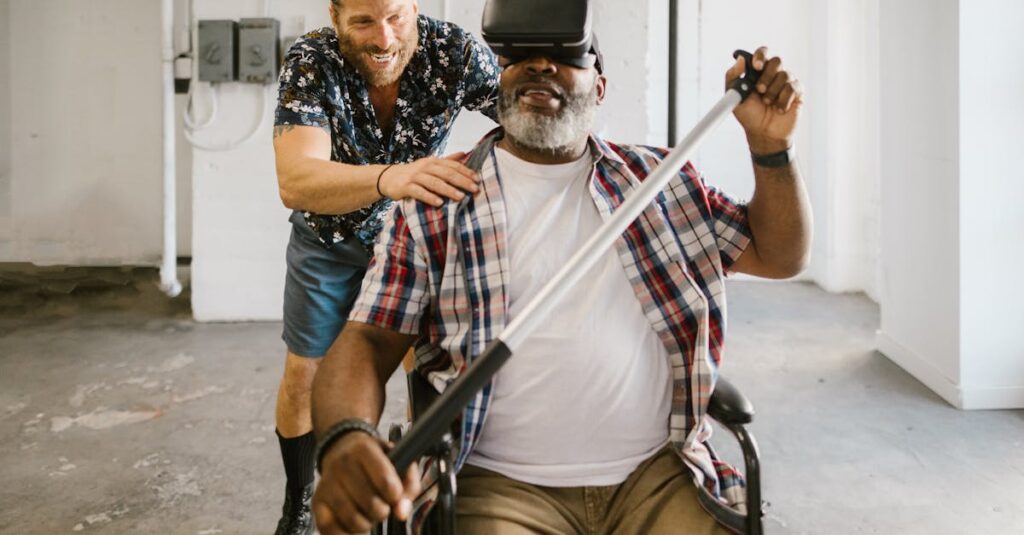
In a typical VR therapy session, the patient wears a VR headset, which transports them into a virtual world. This world could simulate anything from a crowded elevator to a high-flying plane. The patient is then guided through the experience by a therapist, who helps them navigate their feelings, allowing them to gradually desensitize to the fear-inducing stimulus.
How VR Therapy Helps With Phobias
So, how exactly does VR therapy help people with phobias? The answer lies in how the brain processes fear. When we experience something scary, our brain releases stress hormones like cortisol, triggering a fight-or-flight response. With phobias, this reaction can be out of proportion to the actual threat, which is why confronting the fear can feel so overwhelming. VR therapy works by exposing people to their fears in a safe, controlled way, allowing them to process the anxiety without putting themselves in danger.
1. Gradual Exposure: A Step-by-Step Approach
One of the most effective ways VR therapy treats phobias is through gradual exposure. This is a technique used in traditional therapy, but VR takes it to a whole new level by making the experience feel more real. Instead of just imagining the fear, patients can interact with it directly in the virtual world. For example, someone with a fear of flying might start by virtually sitting in a calm, non-moving plane cabin. As they get more comfortable, the therapist can increase the intensity of the experience, moving on to scenarios like taxiing down the runway or experiencing mild turbulence.
This step-by-step exposure allows the brain to adapt, desensitizing it to the trigger without overwhelming the person all at once. Over time, the patient can rewire their brain’s response to the fear, making it less intense and easier to manage in real life.
2. Safe Environment for Confronting Fears
One of the major challenges with phobia treatment is the inherent risk of real-world exposure. Confronting a fear of spiders, for instance, may require being in close proximity to one, and not everyone is ready for that. VR therapy removes this risk by creating a controlled, safe space for patients to engage with their fears. The virtual world can be tailored to the individual’s comfort level, so they can start small and gradually build up to more intense situations.
This safe environment allows people to explore their feelings of fear without the fear of actual harm. For example, someone who is terrified of flying might never get on a plane to try and overcome their fear, but with VR, they can practice as many times as needed, feeling safe the whole time. It’s like having a dress rehearsal for real life.
3. Real-Time Feedback and Support
VR therapy isn’t just about exposing someone to their fear; it’s also about supporting them through the experience. During a session, a therapist can provide real-time feedback, helping the patient regulate their emotions and reactions. They might guide the person through deep breathing exercises or talk them through moments of intense anxiety, offering reassurance when needed.
Another advantage of VR therapy is that the patient can pause or slow down the experience if it becomes too overwhelming. This flexibility provides a sense of control, which is crucial when dealing with phobias. Plus, the therapist can adjust the virtual environment to make the experience more manageable, ensuring that the exposure is neither too intense nor too mild.
Examples of Phobias Treated with VR Therapy
Now that we’ve covered the basic principles of VR therapy, let’s take a look at how it’s being used to treat specific phobias. While VR therapy can be used for a wide range of fears, there are some common phobias that have shown particularly strong results.
1. Fear of Heights (Acrophobia)
For many people with a fear of heights, just the thought of being on a tall building or a cliff can trigger a wave of anxiety. VR therapy can simulate standing on the edge of a skyscraper or a tall mountain, allowing patients to gradually become more comfortable with the sensation of height. Over time, they can learn to manage their fear, and eventually, the anxiety may dissipate entirely.
2. Fear of Spiders (Arachnophobia)
Spiders are one of the most common phobias, but they can also be one of the hardest to treat. VR therapy allows people to interact with spiders in a safe and controlled virtual environment. By gradually exposing them to spiders, first from a distance, then up close, patients can slowly reduce their fear of these creepy-crawlies.
3. Social Phobia (Social Anxiety Disorder)
Social anxiety can feel like an invisible prison, trapping people in their own minds when it comes to social interactions. VR therapy can simulate social situations, like a public speaking event or a crowded party, where patients can practice facing their fear of judgment or embarrassment. This virtual exposure helps patients build confidence and social skills, all while receiving real-time feedback from their therapist.
Challenges and Limitations of VR Therapy
While VR therapy shows great promise, it’s not without its challenges. First, there’s the issue of accessibility. Not everyone has access to the high-end VR equipment required for therapy. Though the technology is becoming more affordable, it’s still not available to everyone who might benefit from it.
There’s also the question of how effective VR therapy is for every type of phobia. While it works well for some people, others may not respond to virtual exposure in the same way. More research is needed to understand why some individuals experience greater success with VR therapy than others.
Conclusion
VR therapy is a game-changer when it comes to treating phobias. By providing a safe, controlled environment for individuals to confront their fears, it offers a new way to break free from the grip of anxiety. As the technology improves and becomes more widely accessible, it’s likely that VR therapy will play an even bigger role in helping people overcome their phobias. If you or someone you know is struggling with a phobia, VR therapy might be the key to unlocking a future free from fear.
In the end, the most important thing is that there’s hope. Phobias don’t have to control your life. With VR therapy, you can face your fears on your own terms, at your own pace. And who knows? You might just find out that the things you’re afraid of aren’t as scary as they seem after all.